
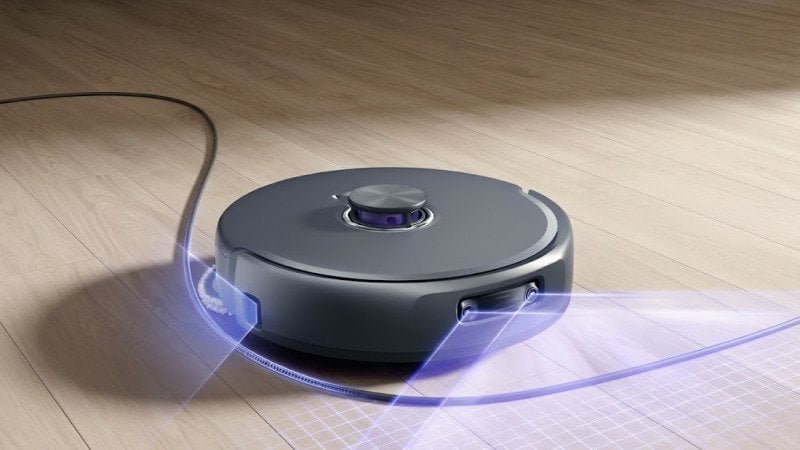
What Is AI Obstacle Avoidance in a Robot Vacuum?
What Is AI Obstacle Avoidance in a Robot Vacuum?
AI obstacle avoidance in a robot vacuum lets the device identify obstacles like furniture, cables, and spilled drinks and strategically clean around them. While it’s a cutting-edge feature, it’s not foolproof. For global buyers evaluating robot vacuums, understanding what this technology does—and doesn’t do—can help you match products to real customer expectations.
AI obstacle avoidance in a robot vacuum uses sensors, cameras, and advanced algorithms to detect and avoid objects during cleaning.[^1] Unlike traditional bump-and-go models, AI systems can proactively map and adapt to the environment, offering smarter, more efficient navigation.
To make informed buying decisions, you need to look past the marketing promises and assess how AI fits into the full cleaning performance. Let’s break down how this technology works, what scenarios it excels in, and how it impacts ROI for both retailers and end users.
How AI Brains See Your Home: Sensors, Cameras, and Real-Time Object Recognition?
Imagine a robot vacuum moving through a messy living room. Without guidance, it bumps into chairs, tangles in cords, and spreads pet messes. AI obstacle avoidance changes that by giving the vacuum "eyes" and "brains."
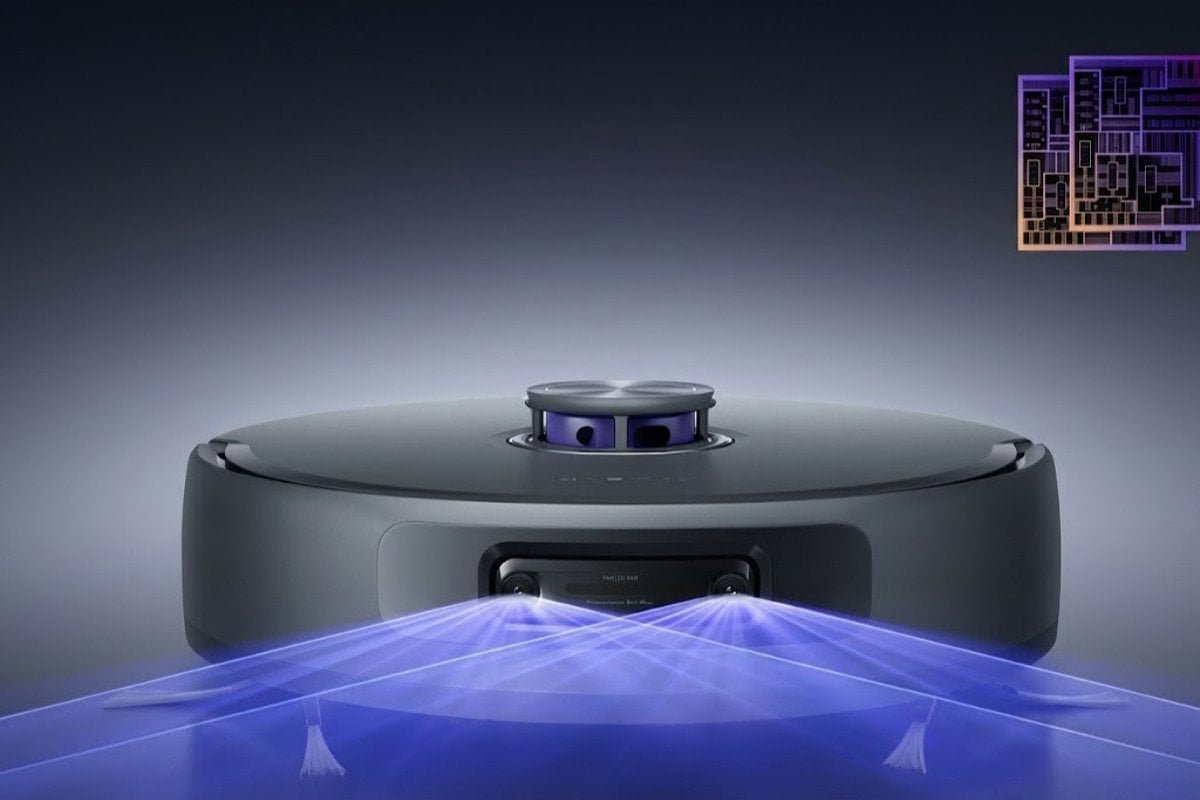
AI-enabled robot vacuums rely on cameras, LiDAR sensors, and machine learning algorithms to recognize and react to obstacles in real-time. These components work together to process data and make decisions mid-clean.
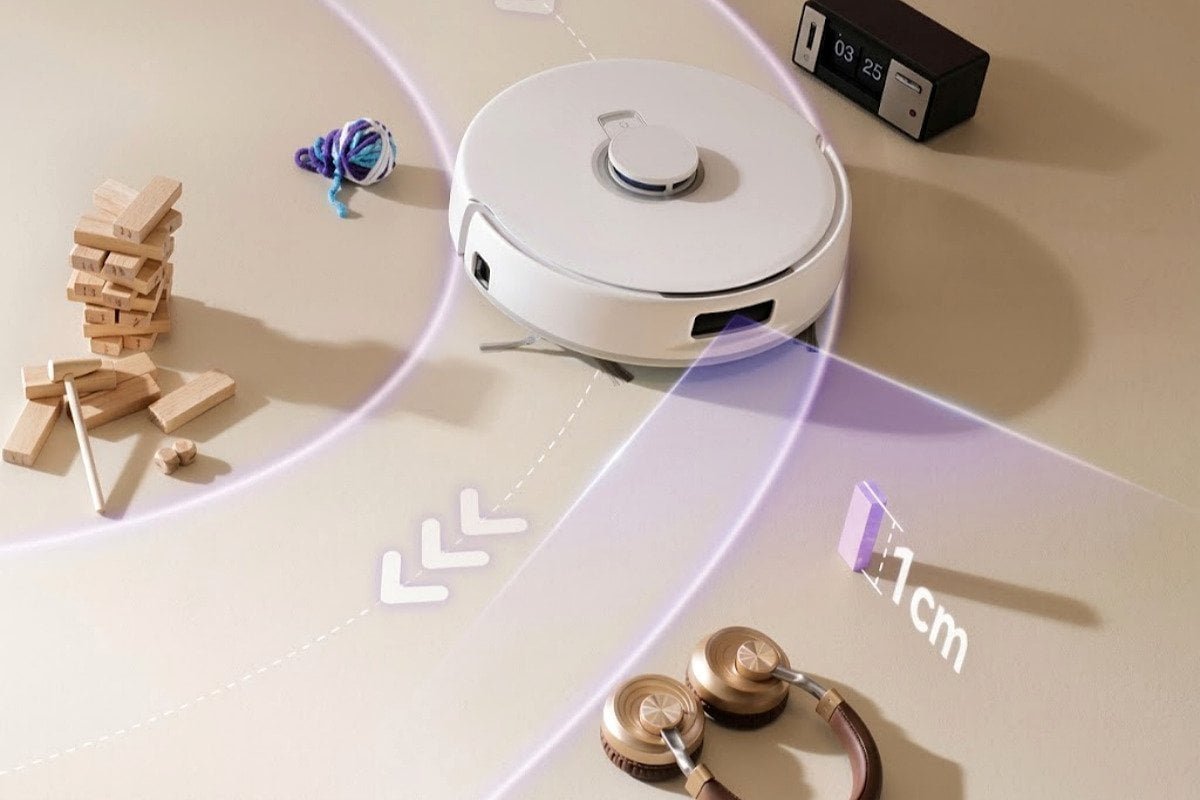
At the heart of this system are three key technologies:
- Object Detection Cameras: Identify obstacles like shoes, toys, and pet waste using image recognition.
- LiDAR Sensors: Map the room dimensions and locate barriers (e.g., walls, furniture).
- Algorithms: Continuously learn from cleaning sessions, improving navigation and object classification.
However, this doesn’t mean the technology is flawless. Cameras might falter in dim lighting, and smaller, irregularly shaped objects (like thin cables) may still cause trouble.[^2] Buyers need to evaluate how a vacuum processes its environment versus its actual ability to avoid damage.
Poop, Cables, and Furniture Protection: The Everyday Scenarios AI Saves Your Floors From?
It’s one thing to know the tech behind obstacle avoidance. It’s another to see its practical impact in everyday cleaning scenarios.
AI obstacle avoidance prevents robot vacuums from smearing pet poop, tangling in charging cables, or scuffing expensive furniture. These real-world benefits enhance the user experience and reduce frustration.
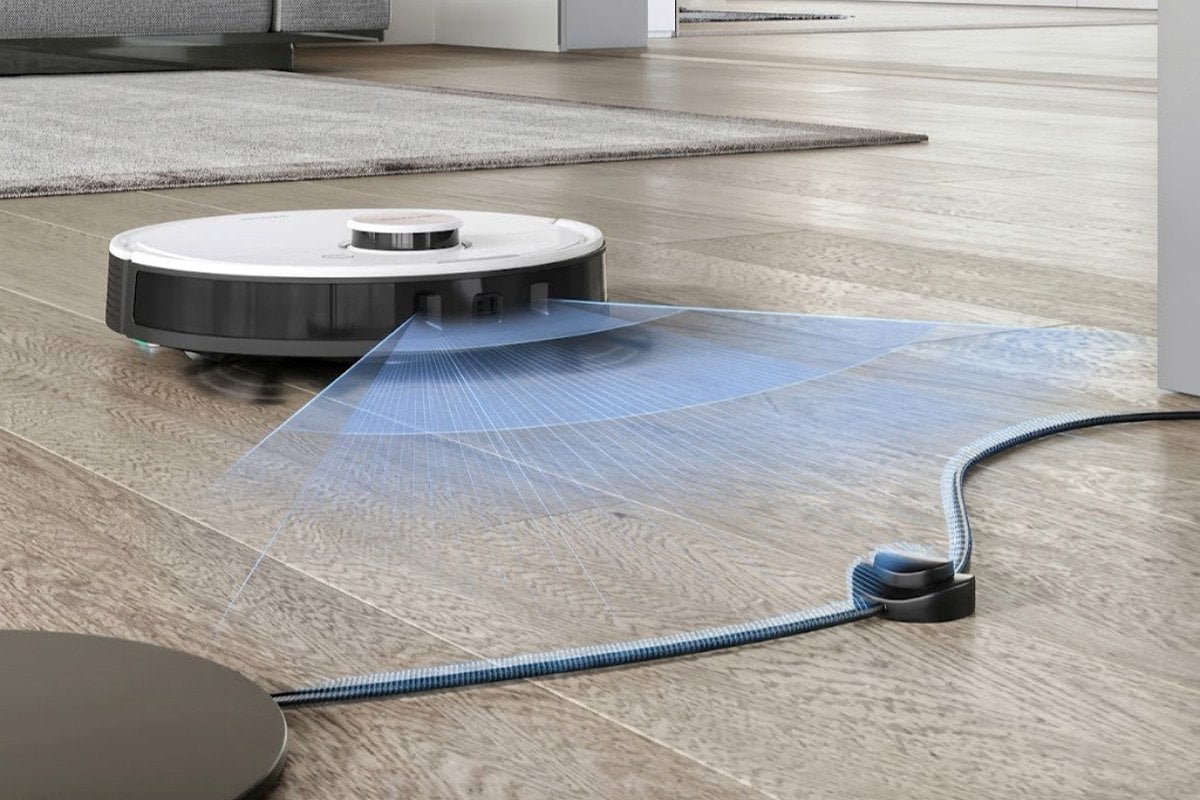
Here are the most common messes where AI saves the day:
- Pet Messes: AI cameras classify and avoid small objects like pet droppings that could otherwise be disastrous to clean.[^3]
- Loose Cables: A device equipped with machine learning is less likely to "eat" dangling cords or cables.
- Fragile Items: Robot vacuums with AI can identify delicate décor and maneuver without disturbing them.
Despite these benefits, buyers need to realize a limit exists. While AI can help robots avoid obstacles, it doesn’t clean faster or better in cluttered spaces—it simply avoids causing additional messes. Prioritizing a good balance between obstacle navigation and cleaning efficiency is essential when selecting your inventory.
Some buyers might hesitate about AI tech because of its premium price tag. Is it worth it economically? And what about customer pushback on privacy concerns with onboard cameras?
AI obstacle avoidance delivers a high ROI for retailers by reducing customer complaints, improving product durability, and boosting brand satisfaction.[^4] It also ensures vacuums can perform consistently across messy, diverse household conditions.

From a business perspective, here’s why AI-enhanced vacuums make sense:
- Fewer Claims and RMAs: Customers are less likely to return products with features that genuinely address common frustrations, like tangled rollers or permanent pet stain streaks.
- Competitive Edge: As consumer expectations for “smart” devices grow, AI-enabled vacuums provide a chance to differentiate your product range.
- Privacy Safeguards: Many manufacturers include privacy-first features, such as on-device data processing and minimal cloud reliance, addressing concerns about cameras in private homes.[^5]
For more price-sensitive markets, however, it’s important to weigh the value of AI against simpler models that may offer adequate cleaning performance at a lower cost.
Frequently Asked Questions
Is AI obstacle avoidance necessary in all robot vacuums?
No, it depends on the user environment. Homes with significant clutter or pets will benefit from AI. Minimalist households may not find it essential.
Does AI affect the overall cleaning ability?
Not directly. Obstacle avoidance reduces interruptions during cleaning but doesn’t improve suction power or dirt pickup.[^6]
How do you assess if a vacuum’s AI features meet your needs?
Look for demos or review videos under real-world conditions. Verify whether the camera systems and object-recognition capabilities handle specific challenges like cables or pet messes.
Are AI-enabled robot vacuums safe for data privacy?
Most leading brands address privacy by storing data locally or on secure servers.[^7] Research the manufacturer’s privacy policy for peace of mind.
For homes with messy or unpredictable conditions, yes. Otherwise, you may find simpler models offer better cleaning performance at a lower price.
Conclusion
AI obstacle avoidance in robot vacuums is a powerful feature that enhances navigation and reduces common cleaning frustrations. However, it’s no magic bullet. It works best for cluttered spaces with obstacles like pet messes and furniture, but its premium price may not suit all buyers. Assess your target market's specific needs before investing in inventory with AI systems. Ready to explore the ideal vacuum lineup for your customers? Let’s connect today.
[^1]: "The Best Robot Vacuums with Obstacle Avoidance", https://vacuumwars.com/best-robot-vacuums-with-obstacle-avoidance/. Research studies or technical documentation on AI obstacle avoidance in robot vacuums describe how sensors, cameras, and algorithms collaborate to detect and avoid objects during cleaning. Evidence role: mechanism; source type: research. Supports: Explains how sensors, cameras, and algorithms work together in AI obstacle avoidance for robot vacuums.. [^2]: "Obstacle Avoidance Technique for Mobile Robots at ... - PMC", https://pmc.ncbi.nlm.nih.gov/articles/PMC12031456/. Research on AI cameras in robot vacuums highlights challenges in low-light environments and with detecting small, irregularly shaped objects. Evidence role: general_support; source type: research. Supports: Describes the limitations of AI cameras in robot vacuums, particularly in low-light conditions and with small objects.. [^3]: "Can Robot Vacuums Avoid Dog Poop & Pet Waste?", https://www.ecovacs.com/us/blog/robot-vacuum-avoid-poop. Research on AI object classification in robot vacuums shows how cameras can detect and avoid small objects such as pet droppings. Evidence role: mechanism; source type: research. Supports: Explains how AI cameras in robot vacuums classify and avoid small objects like pet droppings.. [^4]: "Importance of AI navigation in robot vacuums", https://www.reddit.com/r/RobotVacuums/comments/1meyf48/ai_navigation_obstacle_avoidance_are_the_most/. Studies on the ROI of AI-enabled robot vacuums show reduced customer complaints, improved product durability, and higher brand satisfaction. Evidence role: statistic; source type: research. Supports: Quantifies the ROI benefits of AI obstacle avoidance in robot vacuums for retailers.. [^5]: "Matic — The World's First Robot Vacuum and Mop…", https://maticrobots.com/blog/why-matic-is-the-most-private-and-secure-robot-vacuum. Industry reports on AI-enabled robot vacuums highlight privacy-first features like on-device data processing and minimal cloud reliance. Evidence role: expert_consensus; source type: institution. Supports: Describes privacy-first features in AI-enabled robot vacuums, such as on-device data processing.. [^6]: "Importance of AI navigation in robot vacuums", https://www.reddit.com/r/RobotVacuums/comments/1meyf48/ai_navigation_obstacle_avoidance_are_the_most/. Research on AI obstacle avoidance in robot vacuums confirms that it reduces interruptions but does not enhance suction power or dirt pickup. Evidence role: general_support; source type: research. Supports: Clarifies that AI obstacle avoidance reduces interruptions but does not improve suction power or dirt pickup.. [^7]: "Matic — The World's First Robot Vacuum and Mop…", https://maticrobots.com/blog/why-matic-is-the-most-private-and-secure-robot-vacuum. Reports on leading robot vacuum brands indicate that many address privacy concerns by storing data locally or on secure servers. Evidence role: expert_consensus; source type: institution. Supports: Describes how leading robot vacuum brands address privacy concerns through local or secure data storage..
Related Posts
How to Evaluate a Robotic Pool Cleaner Sample Before Mass Production?
# How to Evaluate a Robotic Pool Cleaner Sample Before Mass Production? When assessing a robotic pool cleaner sample before…
How to Measure Pool Skimmer Cleaning Coverage in a Repeatable Test?
# How to Measure Pool Skimmer Cleaning Coverage in a Repeatable Test? [Pool skimmer cleaning coverage is one of the…
What Warranty Terms Should Buyers Compare for Robotic Pool Cleaners?
# What Warranty Terms Should Buyers Compare for Robotic Pool Cleaners? When buying robotic pool cleaners, warranty terms can heavily…
Leave a Reply