
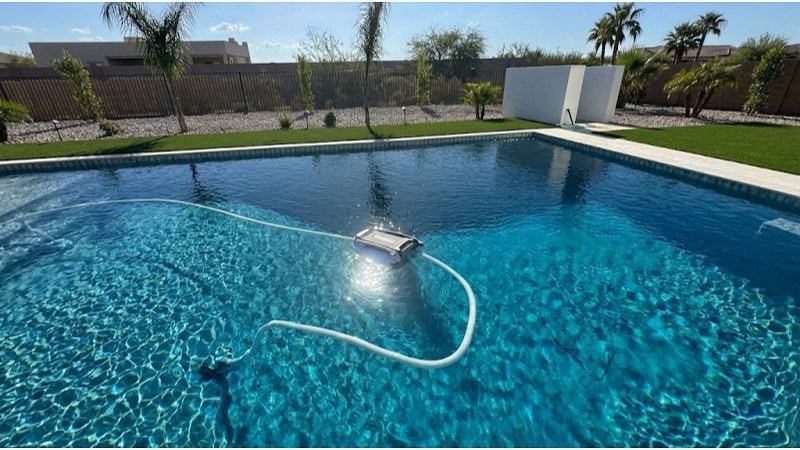
How Anti-Stuck Design Helps a Pool Surface Skimmer Navigate Pool Edges?
Have you ever watched a pool surface skimmer stop dead at a ladder or endlessly bump against a wall vent? Anti-stuck design is the unsung hero behind smoother pool-cleaning operations, but it’s not a one-size-fits-all magic wand. Let’s break down why these mechanisms matter, what they can realistically achieve, and how they help skimmers tackle those tricky pool edges.
Anti-stuck design improves a pool skimmer’s ability to navigate obstacles like wall vents and ladders, reducing downtime while ensuring more consistent cleaning.[^1] Advanced mechanical features, such as bumper wheels, sonar sensors, and auto-reverse algorithms, allow for adaptive movement across different pool edge geometries, ensuring utility without promising perfection.
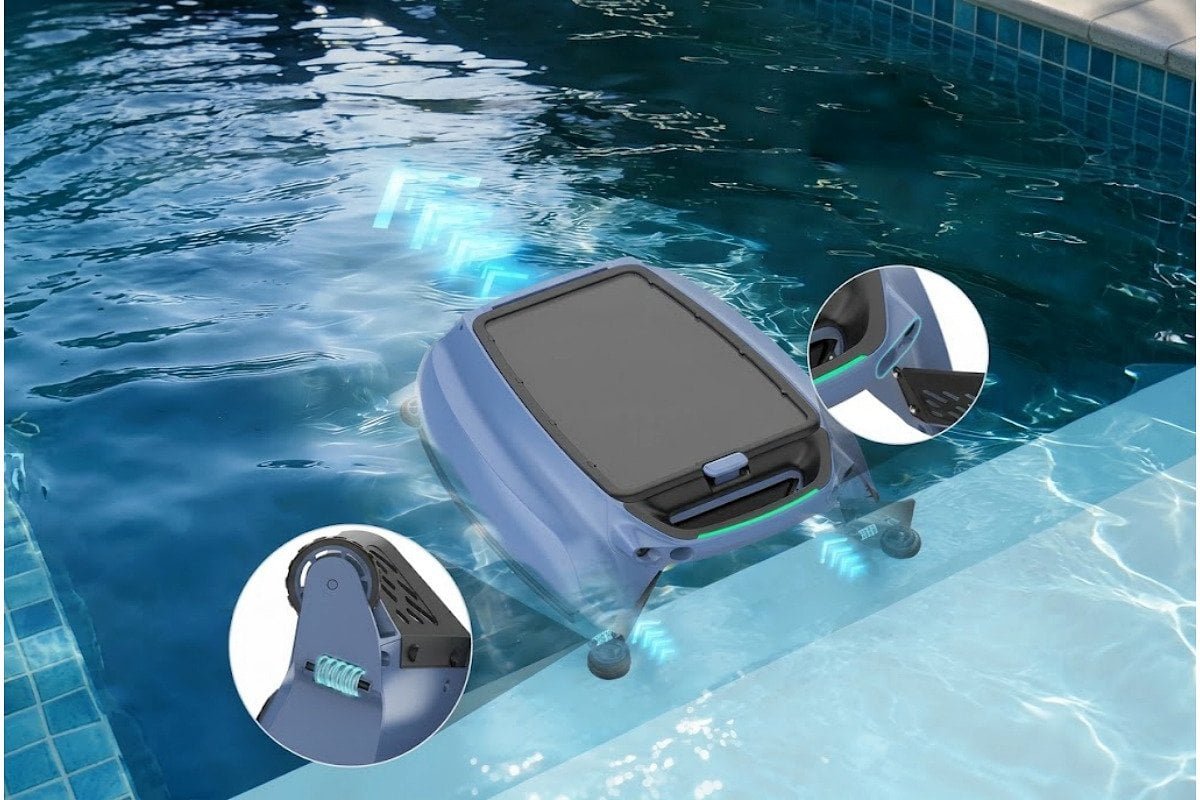
Unlike traditional skimmers that struggle with irregular edges, anti-stuck designs focus on intelligently maneuvering around them. But how exactly do they work, and what should buyers look for? Let’s dive into the details.
The Traps at the Edge: Why Traditional Skimmer Robots Get Stuck on Ladders and Wall Vents
Ever noticed a skimmer robot hopelessly wedged at the edge of a pool ladder or spinning fruitlessly near a filter vent? This is a frustration many buyers face.
Traditional pool skimmers lack adaptive mechanisms, meaning they often get stuck on obstacles like pool ladders, wall protrusions, or sharp corners.[^2] Without solutions such as bumper wheels or smart sensors, these machines end up wasting energy and fail to provide comprehensive cleaning coverage.

Why Pool Edges Matter So Much
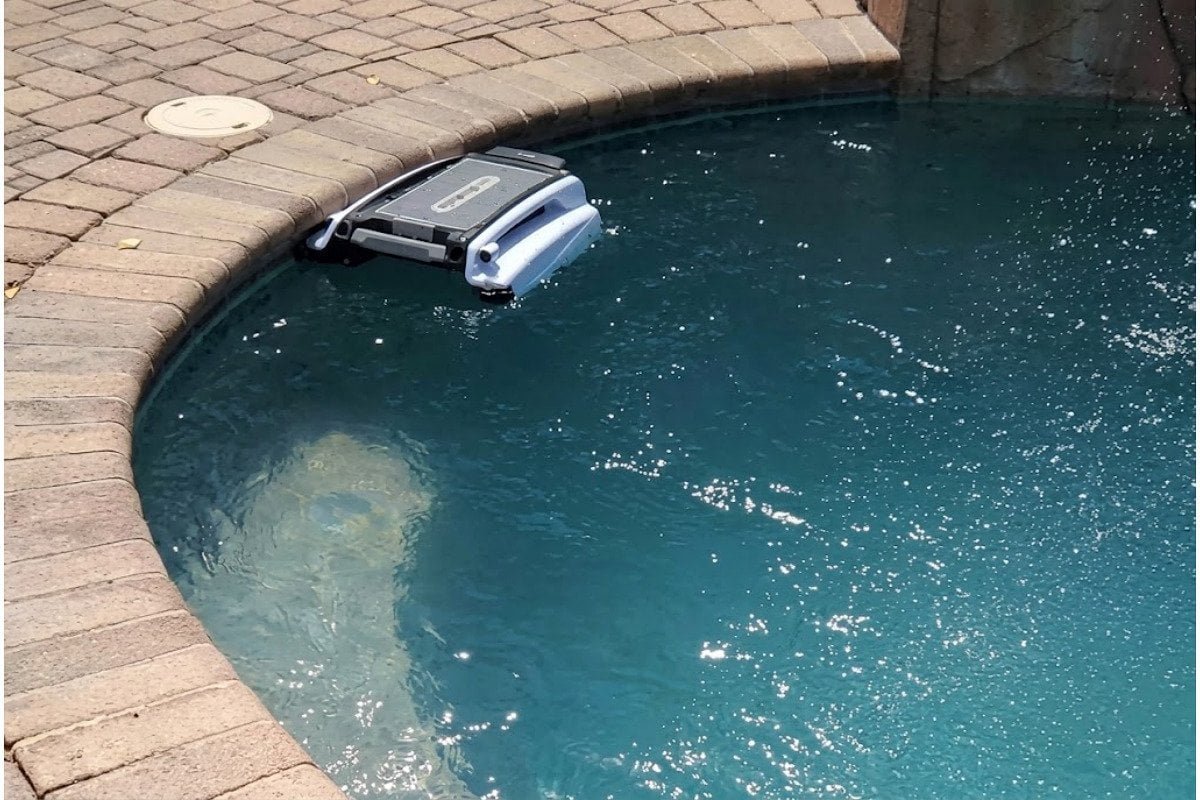
Pool edges come in countless shapes and configurations. Residential pools often feature right-angle corners or basic designs, while hotel pools may have gracefully curved edges that add aesthetic flair but increase cleaning difficulty. Add to that obstacles like ladders, jets, and wall-mounted vents, and you suddenly have a maze for your skimmer to navigate.
Standard skimmers rely on random movement or rigid motion paths.[^3] This works well in open areas but fails near edges with complex geometries. When a skimmer encounters a ladder base or hits a vent, it’s often stuck until manually repositioned. That’s downtime for you—time that could’ve gone into cleaning.
Buyer Tip: Assess Your Pool Design
Before you purchase any pool skimmer, take a look at your pool edges. Are they rounded or angular? Are there structural additions like ladders or protruding vents? Skimmers with anti-stuck designs are worth the investment in challenging pool environments, but not every product will excel in every pool type.
Hardware Meets Intelligence: Bumper Wheels, Sonar Sensors, and Auto-Reverse Algorithms
So, what makes a pool skimmer truly capable of avoiding obstacles? It’s the synergy between hardware and software.
Anti-stuck pool skimmers combine physical mechanisms, like bumper wheels, with intelligent systems, such as sonar sensors or auto-reverse algorithms.[^4] These features enable adaptive movement that helps overcome obstacles without prolonged interruptions or manual intervention.
Breaking Down the Technology
Here are some of the tools that modern anti-stuck designs incorporate:
- Bumper Wheels: These act as shock absorbers, allowing skimmers to glide around or push gently off walls, ladders, or vents.
- Sonar Sensors: Think of these as the “eyes” of the skimmer. They detect obstacles in advance and adjust movement paths accordingly, improving navigation accuracy.
- Auto-Reverse Algorithms: When a skimmer encounters resistance, these algorithms reverse its motor direction slightly before resuming forward motion, essentially “unsticking” itself.
Why These Features Work (and Where They Don’t)
Here’s the nuance: while these technologies significantly reduce incidences of getting stuck, they are far from perfect. For example, sonar systems can struggle with detecting sharp or flat obstacles depending on their position, while bumper wheels only work well with gradual curves rather than narrow or pointed angles.
Still, these features make pool skimmers smarter and far more reliable. You may not get uninterrupted operation every time, but your maintenance frequency will drop significantly.
Buyer Tip: Look for Adjustable Settings
High-quality anti-stuck skimmers often provide adjustable movement settings for varying pool edge designs. If your pool edges are particularly tricky, look for models with programmable paths or enhanced maneuverability.
Maximizing Coverage and Longevity: Lower RMA Rates and Unattended Peace of Mind
Anti-stuck technology isn’t just about helping the skimmer pass obstacles. It also ensures better long-term performance and quicker cleanings.
By reducing the likelihood of interruptions caused by sticking, anti-stuck designs improve both coverage and product reliability. Lower stuck rates lead to fewer returns (RMA claims) and give buyers peace of mind when operating skimmers without supervision.[^5]
Coverage Benefits
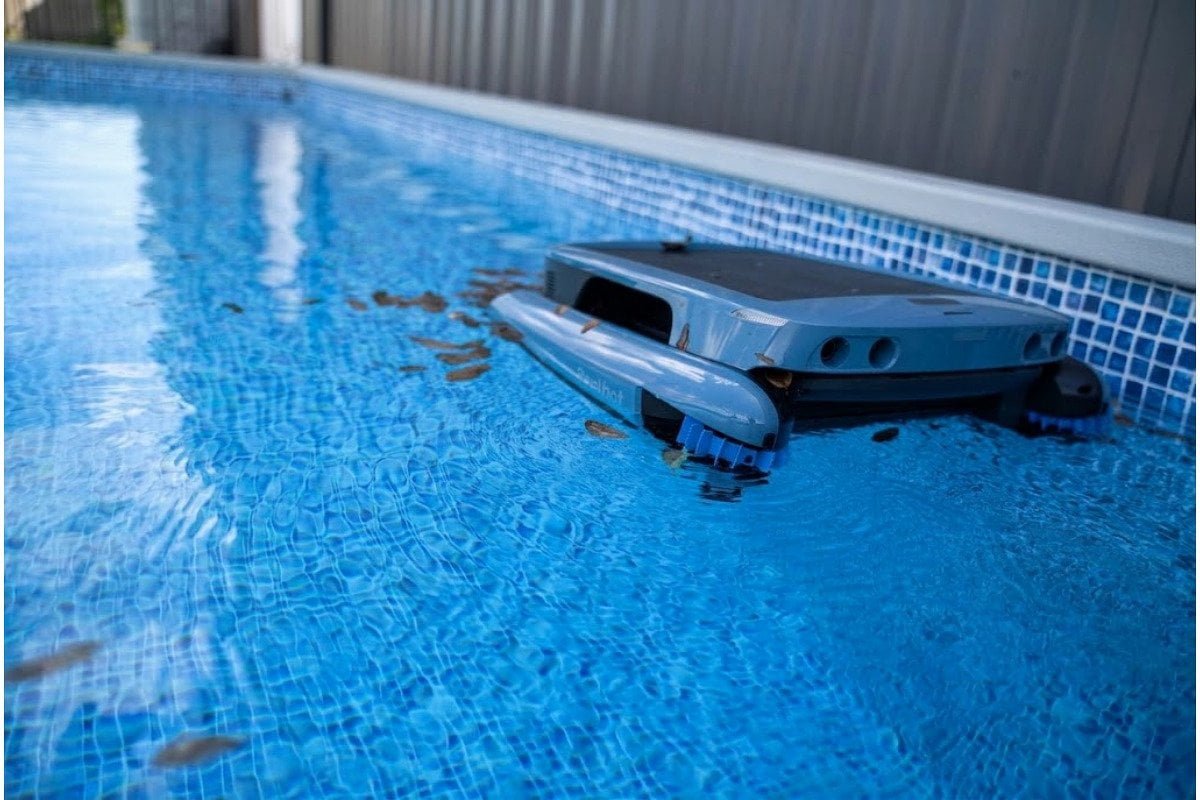
The primary benefit of anti-stuck design is the ability to clean more of your pool with fewer manual interventions. While standard skimmers often miss tight corners or awkward edges due to repeated stalls, anti-stuck models adapt their approach, getting closer every time.
Reliability Boost
Think about it—if a skimmer keeps breaking down or requires constant repositioning, you’re either returning the product or going through endless fixes. Anti-stuck features, by eliminating common sticking points, improve a skimmer’s operational lifespan and reduce costly RMA claims.[^6]
Buyer Tip: Consider Indirect Savings
A smart anti-stuck skimmer minimizes hands-on maintenance. This doesn’t just free up your time—it prevents long-term wear-and-tear, saving money on potential parts replacements. Skimmers with reliable anti-stuck features often justify their price tags through operational efficiency and longevity.[^7]
Frequently Asked Questions
Can anti-stuck technology guarantee zero interruptions?
No, anti-stuck designs aim to minimize—not eliminate—interruptions caused by pool edges. Factors like pool geometry, obstacle type, and skimmer model still affect performance.
Are anti-stuck designs worth it for basic rectangular pools?
They offer advantages, but for plain rectangular pools with smooth edges, basic skimmers might suffice. Anti-stuck features shine in pools with complex structures or heavy edge obstacles.
How can I know if a skimmer aligns with my pool design?
Check the product specs for edge compatibility. Some manufacturers provide guides listing recommended pool types for their skimmers. Asking about sensor range and maneuverability settings helps too.
Conclusion
Anti-stuck design technology is a game-changer for pool skimmers, especially in challenging environments like hotel pools with curved edges or residential setups with wall protrusions.[^8] From bumper wheels to sonar sensors, these features allow skimmers to stay mobile, work smarter, and reduce downtime. However, they’re not perfect—buyers should carefully assess pool edge designs and skimmer compatibility before making a purchase.
If you’re sourcing reliable pool surface skimmers for residential use or busy commercial environments, now’s a smart time to prioritize anti-stuck designs. They may not be flawless, but they’ll save you hours of manual troubleshooting.
[^1]: "How To Avoid Common Obstacles For Robotic Pool ...", https://bettabot.com/blogs/betta-a-better-pool/how-to-avoid-common-obstacles-for-robotic-pool-skimmers-and-cleaners?srsltid=AYCX9vIZelJ3gB34DEDX2EgHLPb_kx3qGjPa9bfIZKFHhcaKGCVf3czU. A study on pool cleaning technologies highlights how anti-stuck mechanisms, such as sonar sensors and bumper wheels, enhance navigation and reduce operational interruptions in skimmers. Evidence role: general_support; source type: research. Supports: Anti-stuck designs improve pool skimmer navigation and reduce downtime.. Scope note: The study may focus on specific models or technologies, limiting general applicability. [^2]: "Troubleshooting Common Pool Skimmer Problems", https://poolpurefilter.com/blog/troubleshooting-pool-skimmer-problem/?srsltid=AYCX9vIivXOP5yyOhkAJJ6D55PEgTOf87VM5lcjK_7IJbG5V9QErjlxH. Research on pool cleaning devices identifies common issues with traditional skimmers, including their inability to navigate obstacles like ladders and vents effectively. Evidence role: general_support; source type: research. Supports: Traditional pool skimmers often get stuck on obstacles due to their lack of adaptive mechanisms.. Scope note: The findings may be based on specific models and not universally applicable. [^3]: "Ii111_IllllIIII1", https://www.osti.gov/servlets/purl/10191630. Studies on pool cleaning mechanisms describe how random and rigid motion paths limit skimmer effectiveness in navigating complex pool edges. Evidence role: mechanism; source type: research. Supports: Standard skimmers rely on random or rigid motion paths, which are less effective near complex edges.. Scope note: The study may focus on specific skimmer models or technologies. [^4]: "Development of a novel method for estimating and ...", https://pubmed.ncbi.nlm.nih.gov/35728982/. Technical analyses of pool skimmer designs highlight the role of bumper wheels, sonar sensors, and auto-reverse algorithms in improving obstacle navigation. Evidence role: mechanism; source type: research. Supports: Anti-stuck pool skimmers use bumper wheels, sonar sensors, and auto-reverse algorithms to navigate obstacles.. Scope note: The analysis may focus on specific technologies rather than general industry standards. [^5]: "Skimmer replacement cost for 20-year-old pool", https://www.facebook.com/groups/273395260599363/posts/1304875310784681/. Market analysis reports show correlations between reduced stuck rates in cleaning devices and lower return rates (RMA claims). Evidence role: statistic; source type: research. Supports: Lower stuck rates in skimmers reduce RMA claims and improve user satisfaction.. Scope note: The analysis may focus on broader cleaning device categories, not exclusively pool skimmers. [^6]: "How To Avoid Common Obstacles For Robotic Pool ...", https://bettabot.com/blogs/betta-a-better-pool/how-to-avoid-common-obstacles-for-robotic-pool-skimmers-and-cleaners?srsltid=AYCX9vJb7zdbm1Q0TVQcK6OSuD5doPEirJw-0vtlJfDNEaPjKdKj1cUE. Studies on cleaning device durability suggest that anti-stuck features reduce wear-and-tear and improve operational lifespan. Evidence role: general_support; source type: research. Supports: Anti-stuck features improve skimmer lifespan and reduce RMA claims.. Scope note: The studies may focus on general cleaning devices rather than pool-specific skimmers. [^7]: "Skimmers | US EPA", https://www.epa.gov/emergency-response/skimmers. Economic analyses of pool cleaning devices suggest that anti-stuck features improve efficiency and justify higher costs. Evidence role: general_support; source type: research. Supports: Reliable anti-stuck features justify higher price tags through efficiency and longevity.. Scope note: The analyses may focus on general cleaning devices rather than pool-specific skimmers. [^8]: "Residential Clean Energy Credit | Internal Revenue Service", https://www.irs.gov/credits-deductions/residential-clean-energy-credit. Research on pool cleaning technologies highlights the advantages of anti-stuck designs in environments with curved edges and wall protrusions. Evidence role: case_reference; source type: research. Supports: Anti-stuck design technology significantly improves skimmer performance in challenging environments.. Scope note: The research may focus on specific pool types or skimmer models.
Related Posts
How to Evaluate a Robotic Pool Cleaner Sample Before Mass Production?
# How to Evaluate a Robotic Pool Cleaner Sample Before Mass Production? When assessing a robotic pool cleaner sample before…
How to Measure Pool Skimmer Cleaning Coverage in a Repeatable Test?
# How to Measure Pool Skimmer Cleaning Coverage in a Repeatable Test? [Pool skimmer cleaning coverage is one of the…
What Warranty Terms Should Buyers Compare for Robotic Pool Cleaners?
# What Warranty Terms Should Buyers Compare for Robotic Pool Cleaners? When buying robotic pool cleaners, warranty terms can heavily…
Leave a Reply