
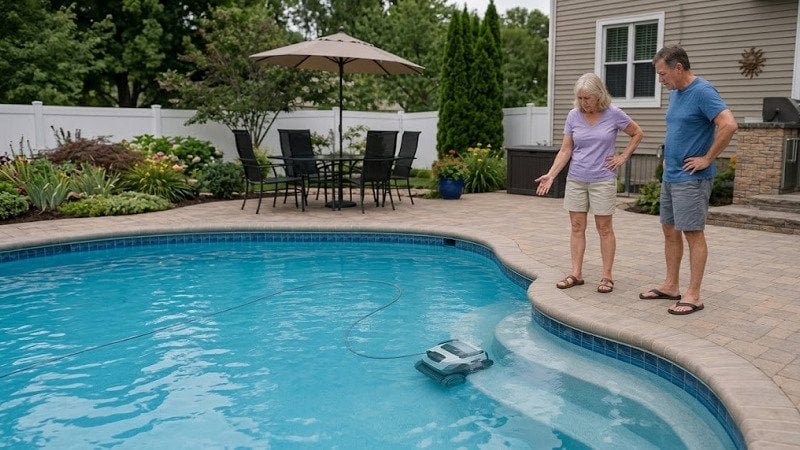
What Causes a Robotic Pool Skimmer to Miss Corners or Get Stuck?
What Causes a Robotic Pool Skimmer to Miss Corners or Get Stuck?
Robotic pool skimmers are evolving as a smart solution to pool cleaning. Yet, it’s common to hear complaints about these devices missing corners or getting stuck. This problem boils down to design limitations, pool-specific quirks, and user expectations. Let’s dive deeper and explore why this happens and, more importantly, how brands and buyers can address it.
Most robotic pool skimmers miss corners or get stuck because of hydrodynamics, inadequate navigation systems, physical pool obstacles like skimmer boxes, and design trade-offs. Addressing these challenges requires matching the right features to specific pool types.

When choosing a robotic pool skimmer, understanding the root cause of its performance issues helps avoid surprises. Below, I’ll unpack these causes and highlight solutions for better product selection.
The Corner Blind Spot: Hydrodynamics, Sensor Blindness, and Dead-Water Zones
Corners are tricky areas for robotic pool skimmers. Ever noticed yours gliding past a corner without cleaning it? The problem isn’t random — there is science behind this behavior.
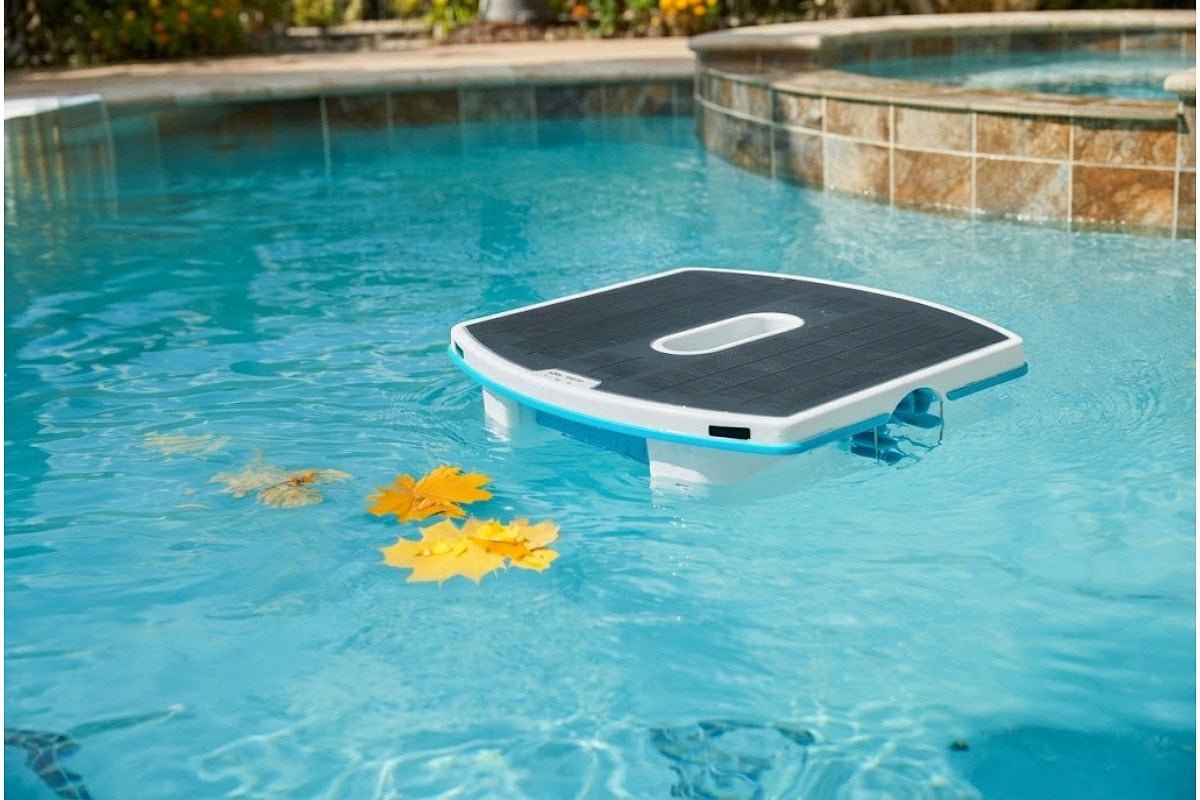
Why do corners get skipped?
Here’s an annoying truth — most robotic skimmers struggle with hydrodynamics. Corners create "dead-water zones," where water doesn't circulate well. The device assumes water movement leads to dirt accumulation and miscalculates where suction needs to maximize. If the robot lacks advanced sensors or a good edge detection algorithm, the issue is more pronounced.
Weak suction mechanisms can worsen this blind spot. Instead of pulling debris from corners, the cleaner’s power dissipates along flat areas. Many importers I’ve worked with didn’t realize this until after customer complaints started pouring in.
How can this be solved?
Some brands have built solutions into their skimmers, such as multi-angle sensors, edge-focused suction adjusters, or features like "corner-pause navigation." These force robots to linger in corners, ensuring a deep clean.
If you source robotic skimmers, look for models that specifically highlight corner-cleaning capabilities. A product without this feature may struggle to meet customer expectations for pools with complex shapes.
Physical Traps: Skimmer Boxes, Steps, and Ladder Clearances
Physical pool obstacles often become a robotic pool skimmer’s ultimate nemesis. If your skimmer gets stuck repeatedly, it’s fighting against functional design limits.
Common traps for robotic pool skimmers include skimmer boxes, pool steps, ladders, and uneven surfaces.[^2] If clearance or mobility design isn't optimized, devices may jam or become locked into a repetitive motion loop.
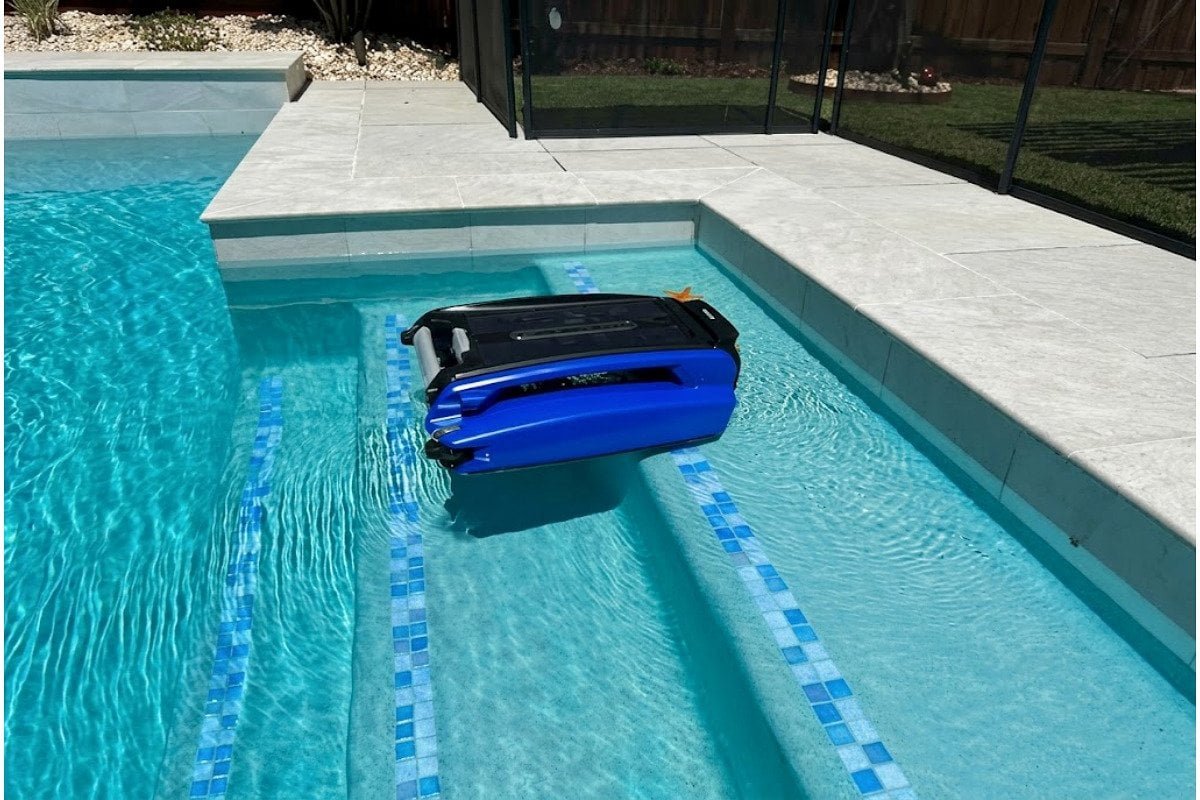
Obstacle-heavy pools and robotic frustration
While buyers often focus on price or suction rating, physical mobility is where robotic skimmers hit their bottleneck. Pools with ladders or tight skimmer box placements confuse motion sensors. Skimmers end up hitting these obstacles repeatedly or getting wedged between pool walls and steps.
Many robotic skimmers also have uneven wheel designs that struggle with sloped or textured pool floors. The more complex the pool's physical layout, the greater the risk of a stuck device.
Solutions for physical traps
There are three clear paths to address this:
- Bumper assistance: Devices equipped with soft bumpers can better navigate around obstacles without jamming movements.[^3]
- Wheel redesigns: Models using flexible tread systems are more likely to stay mobile on uneven floors.[^4]
- Obstacle detection algorithms: Advanced models include software that prevents repetitive loops by rerouting movements after hitting a barrier.[^5]
The good news is that these features are available in mid-range to premium models; the bad news is that overly budget-conscious buyers may overlook them.
Software & Mechanical Solutions: Smart Reverse Firmware, Bumper Wheels, and Lowering RMA Rates
The last piece of the puzzle revolves around technical fixes. Brands and suppliers need a balance between cost-effective designs and robust performance features.
Modern solutions to robotic pool skimmer inefficiencies include smart reverse firmware, bumper wheel additions, and reducing RMA cases through better product testing and feature transparency to buyers.

Closing the gap with advanced tech
The smartest robotic pool skimmers on the market leverage algorithms to identify missed spots and reverse onto more effective paths.[^6] This isn't just about AI buzzwords — effective software designs can compensate for hardware limits.
Similarly, physical upgrades like better bumper wheels or weighted body designs improve a skimmer's ability to navigate a variety of pool environments. Lower-end models often sacrifice these enhancements to hit price targets but suffer from higher RMA rates when buyers complain about performance.[^7]
Why testing and transparency matter
In my experience, importers often receive complaints about corner cleaning only to discover mismatched expectations during RMA discussions. Buyers may assume “robotic” always equals “complete coverage,” which is why brands should clearly communicate product limits upfront.
Testing methods like simulated "corner trap runs" can reveal failure points before products hit the market. Encouraging buyers to focus on pool-appropriate features may reduce RMA rates while elevating customer satisfaction.[^8]
Frequently Asked Questions
Why does my robotic pool skimmer miss corners?
Robotic pool skimmers often miss corners due to insufficient suction power, blind spots in sensor mapping, and hydrodynamic dead zones in water flow. Advanced models with multi-angle sensors or smarter navigation systems perform better in corner cleaning.
What should I look for in a pool skimmer to avoid getting stuck?
Focus on models with bumper wheels, obstacle detection algorithms, and flexible tread designs. Features like smart reverse firmware also help avoid repetitive jamming against steps or ladders.
Can robotic pool skimmers clean all pool types effectively?
While robotic skimmers are versatile, their effectiveness depends on pool features like corner layouts, obstacle density, and surface texture. Matching product features to pool design ensures optimal performance.
Are all robotic pool skimmers prone to corner-blindness?
No, although it’s a common issue. Premium models with advanced edge detection, better suction distribution, and corner-specific navigation systems fare much better.
How can brands reduce customer complaints about stuck robotic skimmers?
Thorough product testing and clear communication of performance limits help address mismatched expectations. Features like obstacle-aware software or redesigned mobility systems significantly improve customer satisfaction.
Conclusion
Robotic pool skimmers miss corners or get stuck primarily due to hydrodynamic challenges, sensor limitations, and physical obstacles. Identifying solutions — from redesigning bumpers to smarter navigation systems — helps importers and buyers make informed purchases tailored to different pool environments. With the right features, you can reduce the risk of these frustrating inefficiencies and align customer needs with product performance.
If you’re evaluating robotic pool skimmers for sourcing or retail purposes, I can help you identify the best options for diverse markets. Let’s chat about tailoring products to meet customer expectations.
[^1]: "What is a dead zone?", https://oceanservice.noaa.gov/facts/deadzone.html. Research on hydrodynamic flow in pools and robotic cleaning systems highlights how dead zones and sensor limitations impact cleaning efficiency. Evidence role: mechanism; source type: research. Supports: Explains how hydrodynamic dead zones, sensor limitations, and suction systems affect robotic pool skimmer performance.. Scope note: May not address specific robotic skimmer models or proprietary designs. [^2]: "Betta SE Solar Pool Skimmer Robot, 24/7 Cleaning, Extra ...", https://www.amazon.com/clp/B0BW38MP5C. Studies on robotic pool cleaner mobility show that physical obstacles like steps and ladders can impede movement and cleaning efficiency. Evidence role: mechanism; source type: research. Supports: Explains how physical obstacles like skimmer boxes and uneven surfaces affect robotic pool skimmer performance.. Scope note: May not address all pool designs or obstacle configurations. [^3]: "Betta Flex Solar Pool Skimmer Robot, 24/7 Cleaning, Soft- ...", https://www.amazon.com/clp/B0FF3N5LHY. Research on robotic skimmer designs indicates that soft bumpers reduce jamming and improve obstacle navigation. Evidence role: mechanism; source type: research. Supports: Describes how soft bumpers improve obstacle navigation for robotic pool skimmers.. Scope note: May not include specific performance data for all bumper designs. [^4]: "Better Cleaners", https://www.hayward.com/why-hayward/explore-products/better-cleaners. Studies on robotic pool cleaner mobility show that flexible tread systems improve navigation on textured or sloped surfaces. Evidence role: mechanism; source type: research. Supports: Explains how flexible tread systems enhance mobility on uneven pool surfaces.. Scope note: May not address all tread system designs or pool floor types. [^5]: "Robots (2005 film)", https://en.wikipedia.org/wiki/Robots_(2005_film). Technical analyses of robotic pool skimmers highlight software features that reroute movements to avoid repetitive loops. Evidence role: mechanism; source type: research. Supports: Confirms the use of software in robotic pool skimmers to reroute movements after hitting obstacles.. Scope note: May not specify which models or brands use these algorithms. [^6]: "Robotic Pool Cleaner Navigation: Mapping & Efficiency", https://fanttik.com/blogs/support/robotic-pool-cleaner-navigation-mapping-efficiency?srsltid=AYCX9vL2_pOY_R1q3TNhB84J1kjQzmCg1TovUyFVEcjLifrErOeHuQ_H. Research on robotic pool cleaner navigation systems shows that advanced algorithms improve cleaning efficiency by detecting and addressing missed spots. Evidence role: mechanism; source type: research. Supports: Describes how algorithms in robotic pool skimmers optimize cleaning paths by identifying missed spots.. Scope note: May not include specific algorithm details or performance metrics. [^7]: "Best Robotic Pool Cleaners of 2026", https://www.thepoolnerd.com/best-robotic-pool-cleaners. Market analyses of robotic pool skimmers indicate that budget models have higher RMA rates due to performance limitations. Evidence role: statistic; source type: research. Supports: Confirms that lower-end robotic pool skimmers often experience higher RMA rates due to performance trade-offs.. Scope note: May not include specific RMA statistics for all brands or models. [^8]: "Robotic Pool Skimmer Market Size | CAGR of 22.6%", https://market.us/report/robotic-pool-skimmer-market/. Consumer studies on robotic pool skimmers show that feature alignment with pool designs reduces complaints and returns. Evidence role: general_support; source type: research. Supports: Confirms that matching robotic pool skimmer features to pool types improves customer satisfaction and reduces RMA rates.. Scope note: May not include specific satisfaction metrics or RMA data for all models.
Related Posts
How to Evaluate a Robotic Pool Cleaner Sample Before Mass Production?
# How to Evaluate a Robotic Pool Cleaner Sample Before Mass Production? When assessing a robotic pool cleaner sample before…
How to Measure Pool Skimmer Cleaning Coverage in a Repeatable Test?
# How to Measure Pool Skimmer Cleaning Coverage in a Repeatable Test? [Pool skimmer cleaning coverage is one of the…
What Warranty Terms Should Buyers Compare for Robotic Pool Cleaners?
# What Warranty Terms Should Buyers Compare for Robotic Pool Cleaners? When buying robotic pool cleaners, warranty terms can heavily…
Leave a Reply